Karwand: The Dark, Sweet Pearl of the Western Ghats
Move over, high-priced, imported berries! There’s a humble, hardy fruit native to the Indian subcontinent that deserves its moment in the spotlight. Often overlooked in favor of more mainstream tropical fruits, the Karwand (sometimes called the ‘Wild Blue/Blackberry of India’) is a powerhouse of flavor, nutrition, and cultural significance. Found thriving along the rugged terrain of the Western Ghats, this thorny shrub holds a special place in the hearts and palettes of people in Maharashtra, Goa, Karnataka, and beyond.
Today, we dive deep into the world of Karwand—exploring its botanical identity, its culinary versatility, and the crucial role it plays in the local Konkan culture.
Understanding the Shrub: Botanical Profile
The Karwand, known scientifically as Carissa carandas, is a species of flowering shrub in the dogbane family, Apocynaceae. This plant is not for the faint of heart; it is a dense, sprawling, and extremely thorny evergreen bush. Its defensive nature is legendary among local villagers and foragers, who must carefully navigate sharp spines to harvest the precious fruits.
The shrub produces attractive, star-shaped white flowers with a delicate fragrance, which later develop into small, round berries. The magic, however, lies in the transformation of the fruit itself.
The Two Lives of Karwand
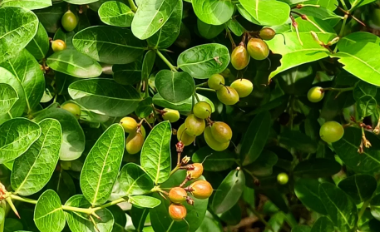
- Green and Raw: The young, unripe Karwand is bright green. In this stage, the fruit is intensely sour and astringent. It contains a white, milky latex that can be slightly irritating. These green berries are almost never eaten raw but are a coveted ingredient for specific cooked and preserved dishes.
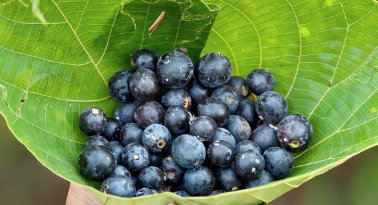
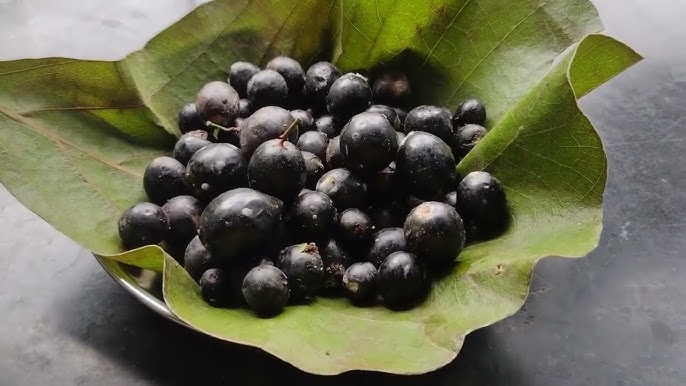
- Black and Ripe: As the fruit matures, it undergoes a stunning color change—first turning pinkish-red, and finally ripening into a deep, glossy dark purple or black. When fully ripe, the flesh is soft and yielding, and the white latex disappears. The taste is a complex and delightful balance of sweet, juicy, and slightly acidic/tangy notes, with a unique depth that differentiates it from European berries.
Cultivating the Wild: Growth and Seasonality
While Karwand bushes can be found growing semi-wild along edges of fields, in scrub forests, and as natural fencing in the Konkan region, it is also cultivated commercially, though on a smaller scale compared to crops like mango.
Ideal Conditions
- Soil: It is extremely resilient and adaptable, thriving in stony, poor, lateritic (red) soil where few other crops can grow.
- Climate: The shrub prefers the humid, subtropical climate of the coastal Konkan belt and the moderate altitudes of the Western Ghats. It loves strong sunlight and requires relatively little water once established.
- Hedges: Farmers often use the dense, thorny bushes to create a natural, “living” boundary wall for their farms, protecting more valuable crops from livestock and wild animals.
The Season
The Karwand season is short and highly anticipated, marking the transition from pre-monsoon summer heat to the arrival of the rains. It typically runs from April to June.
- Late April: The first green, sour Karwand begin to appear, eagerly collected for pickling.
- May-June: The heat of May rapidly ripens the berries. By early June, the bushes are laden with clusters of shiny, dark, ripe fruit. This peak harvest period is a race against time, as birds and monkeys also compete fiercely for the ripe treats.
Culinary Magic: How Karwand is Used
The versatility of the Karwand is remarkable. Because it offers two distinct flavor profiles (super sour when green, complex sweet-tart when ripe), it has found a home in both savory and sweet recipes across the Konkan and Maharashtrian cuisine.
The Green, Savory Side
- Karwandache Lonche (Pickle): This is perhaps the most iconic use of the fruit. Raw green Karwand are slit, mixed with salt, chili powder, turmeric, and typical pickling spices like mustard seeds, fenugreek, and asafoetida. The result is an intensely sour, salty, and spicy pickle that is the perfect accompaniment to Varan Bhat (dal rice) during hot summer meals.
- Chutneys and Curry: The sourness of green Karwand is used as a souring agent, much like kokum or tamarind. It can be added to spicy coconut-based fish curries or ground into a sharp, fresh green chutney with green chilies, coriander, and coconut.
The Ripe, Sweet Side
- Eating Fresh: There is no greater simple pleasure in the Konkan summer than popping a hand-picked, warm, ripe Karwand into your mouth. The sweet burst of juice is both refreshing and comforting.
- Jams and Jellies: The natural pectin content in Karwand makes them excellent for preserving. Ripe Karwand are boiled down with sugar to create a deep magenta-colored jam or a shimmering, clear jelly. These preserves capture the complex flavor of the berry and are enjoyed throughout the year.
- Juice and Syrup: The rich, dark juice of the ripe fruit is extracted and often sweetened and spiked with a pinch of black salt and cumin to create a refreshing summer cooler. Concentrated syrups are also made to flavor milkshakes or desserts.
- Karwand Halwa/Barfi: In traditional sweet shops, you might occasionally find sweets made from the concentrated pulp of ripe Karwand, known for their unique flavor profile.
The Unsung Hero: Nutritional and Medicinal Benefits
Karwand is not just tasty; it is also a hidden nutritional gem. The intense sourness of the green fruit and the rich color of the ripe fruit provide clues to its health properties.
- Immune Booster: Like many acidic fruits, Karwand is packed with Vitamin C, which is crucial for a strong immune system and healthy skin.
- Antioxidant Powerhouse: The deep purple color of the ripe berry indicates high levels of anthocyanins—powerful antioxidants that help combat oxidative stress, reduce inflammation, and potentially lower the risk of chronic diseases.
- Iron-Rich: Traditionally, Karwand has been used in Ayurvedic remedies to treat anemia. It is a good plant-based source of iron, and its high Vitamin C content aids in iron absorption.
- Digestive Aid: The fruit is used in traditional medicine to treat stomach ailments and improve appetite.
Cultural Significance: The Taste of Memory
Beyond nutrition and recipes, the Karwand holds deep cultural value in Maharashtra and the Konkan. For many, it is the quintessential taste of summer and childhood.
- Summer Rituals: For many who grew up in rural areas, summers were defined by group excursions to nearby fields or hills, navigating thorny paths to pick berries. The minor scratches and blue-stained fingers were a badge of honor.
- The Rural Bounty: Unlike imported fruits, Karwand represents a localized, accessible abundance. It is a fruit of the land, gathered rather than exclusively purchased, representing a direct connection to nature.
- The “Humble” Konkan Identity: The Hapus Mango might be the glamorous “King of Fruits,” celebrated globally, but the Karwand is the quiet, reliable, hardy companion. It is associated with the simplicity, resilience, and hidden sweetness of the Konkan people themselves.
The Karwand is more than just a seasonal berry; it is a vital part of the Western Ghats’ ecosystem and a vibrant thread in the fabric of local Konkan culture. From the sharp tang of a spicy pickle to the sweet comfort of a ripe berry, it provides a unique culinary experience that is inextricably linked to the place and the season.
So, the next time you find yourself near the Western Ghats between April and June, keep an eye out for a thorny bush dotted with shiny, dark pearls. Embrace the hunt, dodge the thorns, and savor the unique, complex flavor of India’s very own wild blueberry. You’ll be tasting the unfiltered essence of the Konkan summer.