MANGO- The Gold of Konkan
The Gold of Konkan: A Journey Through the Land of Alphonso Mangoes
As the mercury rises and the scorching sun signals the arrival of the Indian summer, a familiar, intoxicating aroma begins to waft through the salty sea breeze of coastal Maharashtra. It is the scent of the “King of Fruits”—the Alphonso Mango, known locally as the legendary Hapus.
For the people of the Konkan region, mangoes are not just a seasonal fruit; they are a way of life, a heritage, and the backbone of the local economy. Spanning from the rocky cliffs of Ratnagiri to the lush orchards of Devgad and Sindhudurg, the Konkan coast produces a mango that is arguably the most coveted in the world.
The Legacy: From Portuguese Shores to Konkan Orchards
The history of the Alphonso is as rich as its pulp. The variety is named after Afonso de Albuquerque, a Portuguese general and military expert who helped establish Portuguese colonies in India. It was the Portuguese who introduced the art of grafting to Indian mango trees in the 16th century.
When these European techniques met the unique laterite (red rocky) soil and the humid, mineral-rich atmosphere of the Konkan coast, a miracle happened. The result was a fruit with a perfect balance of sweetness, acidity, and a creamy, fibreless texture that no other region could replicate.
Did you know? In 2018, the Alphonso mangoes from Ratnagiri, Sindhudurg, and surrounding areas were granted the Geographical Indication (GI) tag, legally protecting their authenticity and ensuring that only mangoes grown in this specific belt can be called “Alphonso.”
Why Konkan Hapus is Different
Many regions grow mangoes, but the Konkan Hapus stands in a league of its own. If you’ve ever wondered why people pay a premium for these golden globes, here is the secret:
- The Soil Factor: The Konkan region is characterized by lateritic soil. This red, iron-rich earth provides the specific nutrients that give the Hapus its deep saffron-colored pulp.
- The Coastal Climate: The proximity to the Arabian Sea is crucial. The salty sea breeze and the specific humidity levels during the ripening process create the mango’s signature intense aroma—a scent so strong it can fill an entire house.
- Fibreless Perfection: Unlike many other varieties that can be “stringy,” a true Konkan Hapus is buttery smooth. It melts in your mouth, making it the ultimate choice for Aamras.
The Life Cycle of a Mango Tree
The journey to your plate begins long before summer. In the Konkan orchards, the process is a labor of love:
- November – December (The Resting Phase): After the heavy monsoons, the trees “rest.” Farmers carefully prune the branches and monitor the soil.
- January – February (The Flowering): The trees burst into “Mohar” (mango blossoms). This is a delicate time where a sudden rain or heatwave can destroy the entire season’s crop.
- March – June (The Harvest): The first harvest usually arrives in late March. Farmers use a “Zhela”—a long pole with a net—to hand-pick each fruit, ensuring they don’t fall and bruise.
A Culinary Celebration: More Than Just a Fruit
n a Konkan household, the arrival of the first box of mangoes is celebrated like a festival. The culinary versatility of the Hapus is unmatched:
- Aamras: The undisputed king of desserts. Fresh pulp, often flavored with a pinch of cardamom or saffron, served with hot, fluffy puris.
- Amba Poli (Mango Leather): The sun-dried essence of summer. The pulp is spread on plates and dried under the Konkan sun to create chewy, sweet layers of Aam papad.
- Amba Shira & Barfi: Mango-infused semolina pudding and fudgy squares that capture the fruit’s sweetness long after the season ends.
- Metkut & Pickles: While the ripe Hapus is king, the raw “Kairi” is used to make spicy, tangy pickles and Panha (a refreshing summer cooler).
Tips for Buying Authentic Konkan Mangoes
With so many “fakes” in the market, how do you spot a real Ratnagiri or Devgad Hapus?
- The Aroma: A real Alphonso smells like heaven even when it’s not cut. If it has no scent, it’s likely not a Hapus.
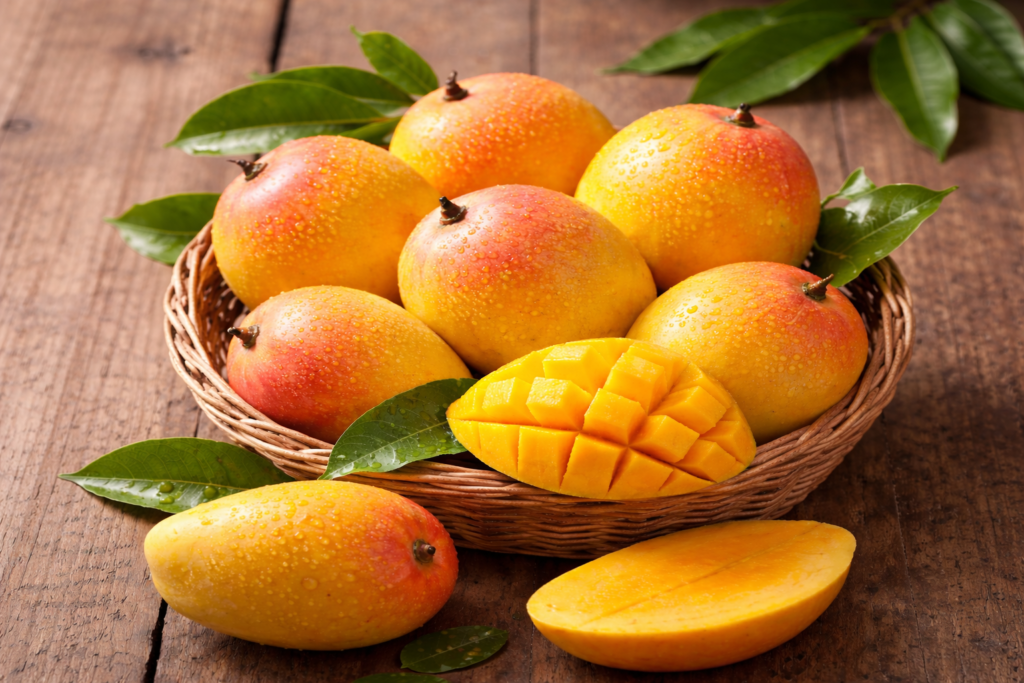
- The Shape: They are generally oval/oblong with a slight “beak” at the bottom.
- The Ripening: Authentic Hapus should look slightly wrinkled when fully ripe. If it looks “perfectly” yellow and shiny, it might have been chemically ripened with calcium carbide.
- Check the GI Tag: Always ask your vendor for the origin or look for the GI certification on the box.
The Konkan mango is more than just a fruit; it is a symbol of the region’s pride and a gift from nature that requires immense patience and care from local farmers. Whether you are eating it fresh, dipping a puri into a bowl of golden Aamras, or enjoying a slice of Amba Poli in the monsoon, the Konkan Hapus is an experience that stays with you forever.
So, this summer, don’t just eat a mango—savor a piece of Konkan’s history. Happy Mango Season!